My Brother Skitch PP1 embroidery machine is working again after I replaced the bobbin case. That is the good news. The not-so-good news is how difficult it was to find that part, how little help I received along the way, and the fact that I still have a damaged embroidery foot.
After about three years of owning and using this machine, my biggest concern is no longer just how it stitches. It is what happens when something goes wrong and you need parts or service.
I purchased the machine and replacement part myself. This is not sponsored, and I have no affiliation with Brother. I am also not a sewing machine technician. I am a regular consumer and hobbyist sharing what happened with my own machine, not diagnosing everyone else’s.
I generally avoid telling people exactly which machine to buy. We all have different needs, budgets, and expectations. But if you are considering the Brother Skitch, especially for a business or as a purchase you cannot easily afford to replace, this is an experience worth knowing about.
Key Takeaways
- Replacing my damaged bobbin case got the Skitch running again, but the embroidery foot remains damaged.
- Genuine replacement parts were difficult to locate, and my nearby dealer contacts could not confirm service.
- My reliability concerns make me uncomfortable choosing the Skitch for paid embroidery work.
- The free arm and magnetic hoop still appeal to me, but dependable support matters just as much.
What Went Wrong With My Brother Skitch PP1
Recently, I started having stitch-outs go completely haywire. During one particularly frustrating stretch, I broke two needles within about five minutes.
Even before inspecting the damage, I had noticed that the Skitch did not feel as smooth or reliable to use as my Brother PE800 or PE900. All of my embroidery machines are Brother, and I have generally been happy with the brand. This is not a case of disliking everything the company makes. My experience with this particular model has simply been different.
When I removed the bobbin case, I found a gash near the top. Then, while I was just holding it without applying any real pressure, a small tip broke off. That was definitely not what I wanted to see.
I also found fairly deep gashes on the embroidery foot from the needle breakages. The damage was on top, and the underside still felt smooth, so fabric sliding underneath was not catching on those spots. Still, a foot with needle-strike damage is not exactly reassuring.
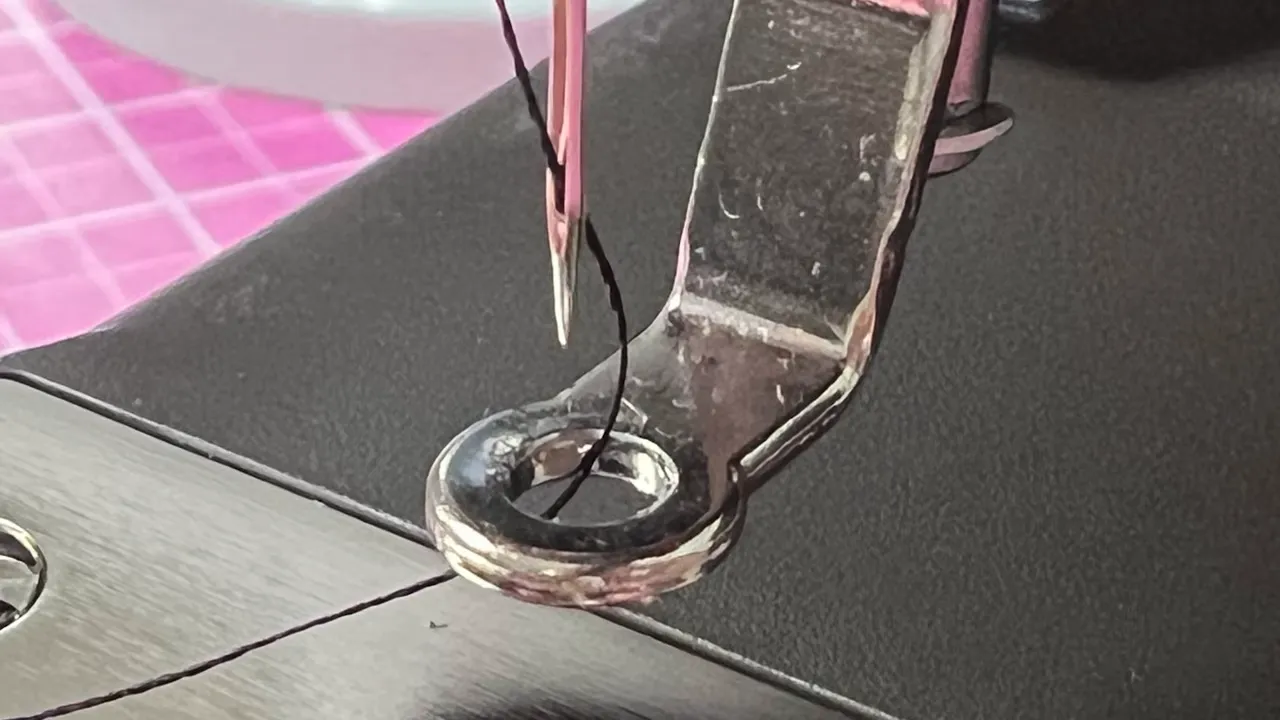
The foot also did not look like something I could easily remove and swap the way I would change a typical sewing machine foot. I could see screws underneath, but getting to them with a regular screwdriver looked tricky. I thought it might be replaceable, but I did not have a straightforward way to do it.
At that point, I was looking for two things: a genuine replacement bobbin case and information about obtaining another embroidery foot.
Trying to Get Replacement Parts From Brother
I tried several routes through Brother customer service, and none got me the parts I needed.
- Live chat: I was directed to a local Brother dealer.
- The regular customer support phone line: The representative did not seem familiar with the parts I was describing and again directed me to a dealer.
- A separate parts department number: After finding the part names and numbers through my own searching, I called to ask whether I could purchase them. I was told those parts were not available.
The frustrating part was that I was not asking someone to walk me through a complicated repair over the phone. I was trying to buy replacement parts. I did not feel that the general support channels helped me identify or locate them.
If you need help with your own machine, the official starting point is the Brother Product Support Center. My experience does not mean every support inquiry will end the same way, but I would not assume that obtaining Skitch-specific parts will be simple.
Where I Finally Found a Genuine Bobbin Case
After more searching, I found a genuine Brother replacement bobbin case at Sewing Parts Online. This was not sponsored. I bought it myself, and it cost me about $38.
At the time of my search, that was the only online source I could find that appeared to carry this specific genuine part. I saw some possible alternatives on eBay, but those listings appeared to be aftermarket rather than genuine Brother parts. I wanted the OEM replacement.
The replacement was described as an inner rotary hook assembly. Once I opened it, it appeared to match the original part that came with my Skitch.
One important detail: the Skitch bobbin case is not the same as the ones in my other Brother embroidery machines. My PE900 bobbin case looks fairly similar, but there are small differences. Similar-looking parts are not necessarily interchangeable.
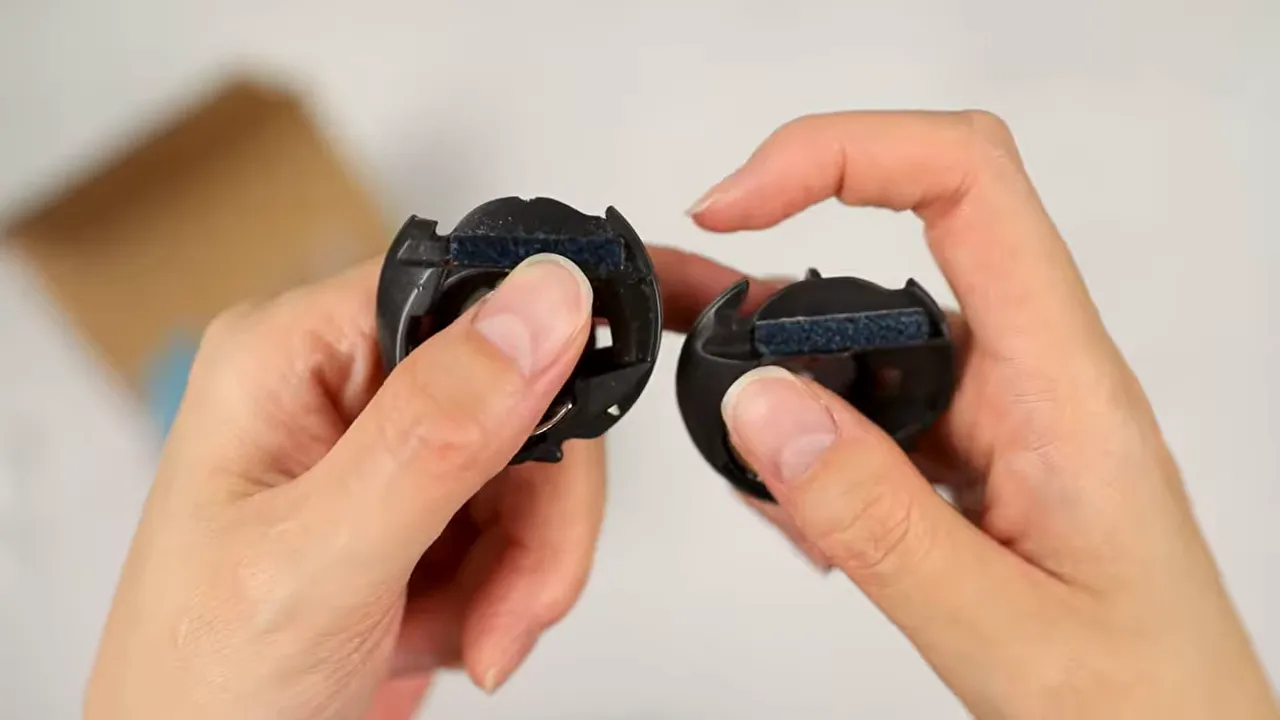
On the original, I could see both the missing tip and another chipped area that I suspected happened during a needle break. The replacement was intact in those places.
Finding that one part was a relief. It did not solve the bigger concern, though. I found very few parts listed for the Skitch, and I still did not have a replacement foot.
Could a Local Brother Dealer Service the Skitch?
Brother support kept directing me to a dealer, so I contacted two nearby locations of the same local sewing machine store chain.
The first conversation was not encouraging. The person I spoke with said to bring the machine in, but did not seem familiar with the Skitch. I also found the conversation condescending and very sales-focused. Instead of getting much clarity about repairing my machine, I kept hearing about other embroidery machines I could buy.
A few days later, my husband and I were already heading near a second location, so we put the Skitch in the car and stopped there.
The salesperson at that store was very nice, although the conversation also felt heavily focused on sales. Their technician was not in that day. When I explained that the Skitch operates through the Artspira app rather than a typical onboard screen and controls, she sent the technician a photo of the machine.
The response came back quickly: they did not service that model.
I asked about the first location, since someone there had told me to bring it in. The salesperson did not believe that location, or any of their stores, would be able to service it either.
What That Does and Does Not Prove
I want to be careful here. This was my experience with two nearby locations in one store chain. It does not establish that no Brother dealer anywhere can work on a Skitch.
It does mean that I could not find a confirmed local service option through the dealerships I contacted. Several people I spoke with were not particularly familiar with the model in the first place.
I suspect the app-only operation may be part of the difficulty, but that was my suspicion, not a technical explanation confirmed by the technician. The information I actually received was simply that they did not work on those machines.
We never got as far as a diagnosis or repair quote. That distinction matters. My problem was not that I rejected an expensive Skitch repair estimate. I could not get to the estimate stage.
Before purchasing one, I would ask a nearby dealer a very specific question: Does your technician service the Brother Skitch PP1? A general statement that a store services Brother machines would not be enough reassurance for me after this experience.
Replacing the Bobbin Case and Testing the Machine
With the replacement part in hand, I decided to see whether the machine would stitch again.
For my replacement, I removed the cover over the bobbin area, took out the damaged bobbin case, and slid the new one into position until it was seated securely. Then I reinstalled the cover, which can be a little fiddly on this machine.
I put a prewound bobbin back in with the thread coming off in the orientation that forms a letter P, guided the thread through the bobbin threading path, and replaced the bobbin cover. I also threaded the upper thread.
That describes what I did on my own machine, not a substitute for the model’s instructions or professional service advice.
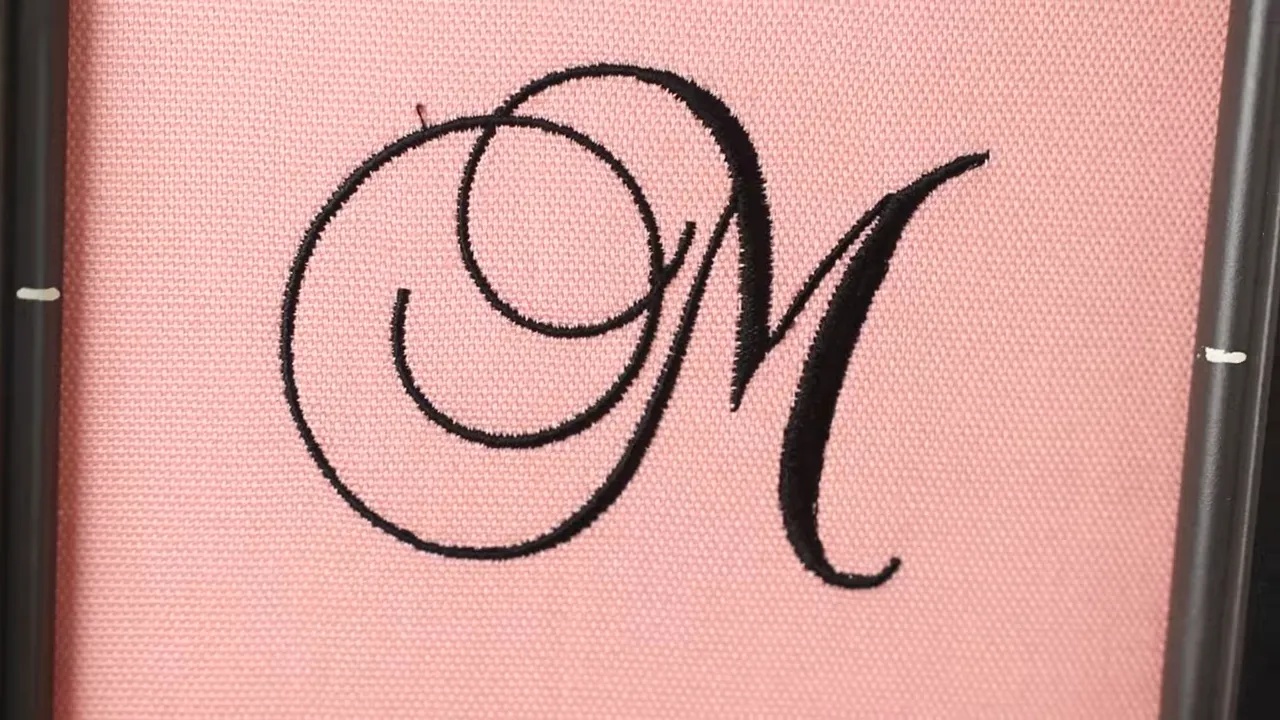
For the test, I chose an M monogram in Artspira that I had successfully stitched on the Skitch before. I did not retry the design associated with the needle breakages. I was not comfortable risking more damage to the foot or another hard-to-find bobbin case just to see whether it would happen again.
The monogram completed. That was a very welcome moment.
The Stitch-Out Still Raised a Tension Question
Finishing the design did not mean everything was perfect. When I turned the hoop over, I saw a lot of upper thread on the back and very little visible bobbin thread.
My first impression was that the upper tension was too loose and might need tightening. This particular monogram is not the easiest design for evaluating that, because so much of it consists of narrow strokes. Even so, I expected to see more bobbin thread in the wider areas.
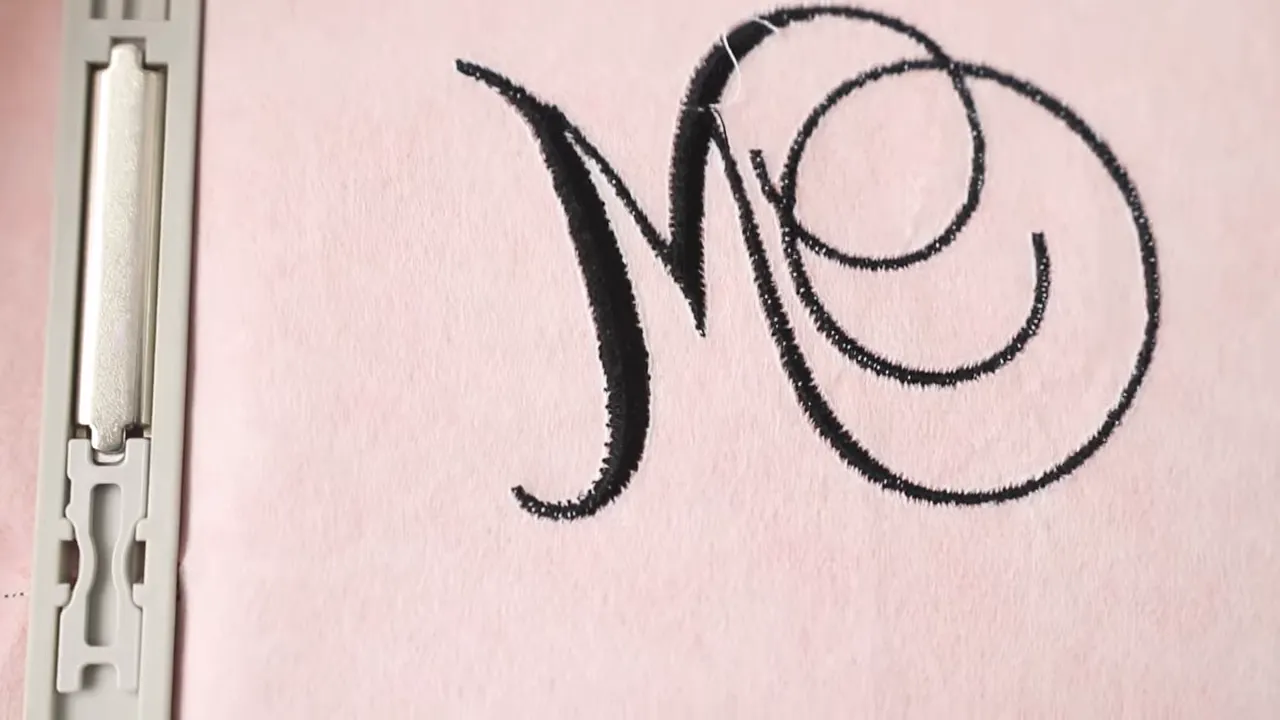
So I considered the test a sign that the machine could run again, not proof that every issue had been resolved. I wanted to try another stitch-out and assess it further.
Since replacing the bobbin case, I have been able to make projects, including gifts. Knock on wood, it has been okay so far. But I have also been nervous each time, hoping nothing else goes wrong.
The Repair Cost Question on a Lower-Priced Machine
The Skitch launched at around $500. By the time of this update, I was seeing prices closer to $300 to $350. Those are the prices I had encountered, not a guarantee of what it costs now.
A lower purchase price can make the machine appealing, but it also changes the repair calculation.
The last time I looked into routine servicing for one of my sewing machines, the charge was going to be over $100, and that was servicing rather than a repair. That was not a Skitch quote, but it is the kind of cost that makes me stop and think when the entire machine is selling for only a few hundred dollars.
If a major problem developed, replacing the machine might make more financial sense than repairing it. But that assumes a repair option exists and that replacing it is something you can comfortably afford.
An affordable purchase price and an affordable ownership experience are not necessarily the same thing. Parts availability and access to service belong in that calculation, too.
Would I Use the Skitch for a Home Business or Craft Fairs?
I have received questions about using the Skitch for a home-based embroidery business or taking it to craft fairs to offer custom embroidery on-site.
Based on my own experience, I would not choose this machine for that purpose.
That is more direct than I usually get with machine recommendations, but reliability matters here. My Skitch has not been dependable enough for me to feel comfortable relying on it for paid work, especially away from home with a customer waiting.
I also hesitate to automatically call it beginner-friendly just because it is a lower-priced model. When a problem happens, the ability to get useful support, obtain the correct part, or find a technician can make a big difference. That part of my experience has been anything but approachable.
How I Would Think About the Purchase
If the purchase price is comfortably within your hobby budget, you like the features, and you can accept the possibility of losing that money if the machine becomes unusable, trying it may make sense for you.
If that same amount represents a significant investment that you cannot afford to lose, I would be much more cautious. Personally, I do not know that I would take that gamble.
That is not me deciding how anyone else should spend their money. It is me explaining how the experience has changed my own comfort level with this machine.
What I Still Like, and What I Want Brother to Improve
Despite all of this, there are features of the Skitch that I genuinely like. The free arm is a big one. I also really like the magnetic hoop design and find it easy to use. Those features helped attract me to the machine in the first place.
The concept is interesting. I just do not think the execution is fully there.
If Brother developed a better version, my wish list would be pretty straightforward:
- Make the app optional, not mandatory. I would like the option to use an app without depending on it for all operation.
- Keep the free arm. That remains one of the machine’s most appealing features to me.
- Offer at least a 5-by-7-inch embroidery area. I would like more room for designs.
- Keep an easy-to-use magnetic hoop. The Skitch’s hoop design is something I would want carried forward.
- Build a more dependable machine. The appealing features need a solid machine behind them.
- Improve dealer education and service support. Owners need a clear path to parts, maintenance, and repairs.
I would be willing to pay around $1,000 to $1,500 for a solid machine with that combination of features. I am not asking for everything at the lowest possible price. I would rather pay more for something dependable that I can get serviced.
Where Things Stand Now
For now, my Brother Skitch PP1 is working after the bobbin case replacement. The embroidery foot is still damaged, and I do not have a confirmed local repair option if something else goes wrong.
If it becomes unusable again, I do not think I will immediately buy another Skitch. I will probably wait and see whether Brother develops a better version.
My main caution is simple: look beyond the price and features to the support available after the purchase. I still like the free arm and magnetic hoop. I just want the same confidence in the machine, the replacement parts, and the service behind it. Sewing and embroidery should be fun, not an exercise in hoping a hard-to-find part survives the next project.


